A rug seems like a simple purchase until you start shopping. Suddenly there are sizes, materials, pile heights, and endless patterns. Choosing the right rug can make or break an entire room. The wrong size shrinks a space, while the right one grounds it. A good rug ties furniture together into one cohesive scene. It also adds warmth, softness, and a welcome layer of texture. This article walks through every decision the process involves. You will learn about sizing, materials, color, and smart placement. Each section removes a little of the guesswork you might feel. By the end, that shopping trip will feel far less daunting.
Why Choosing the Right Rug Anchors a Room
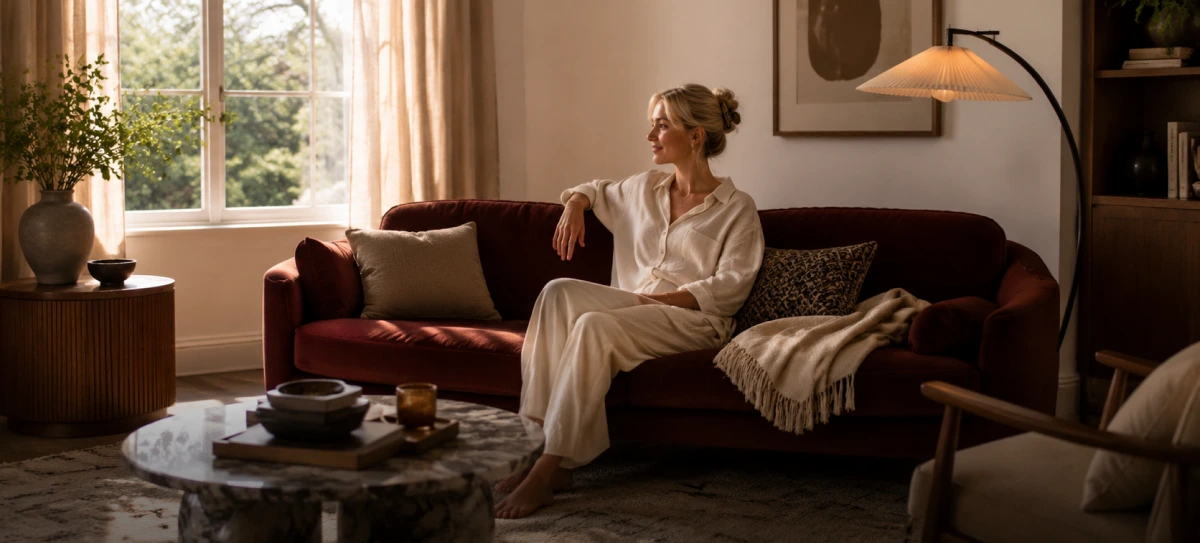
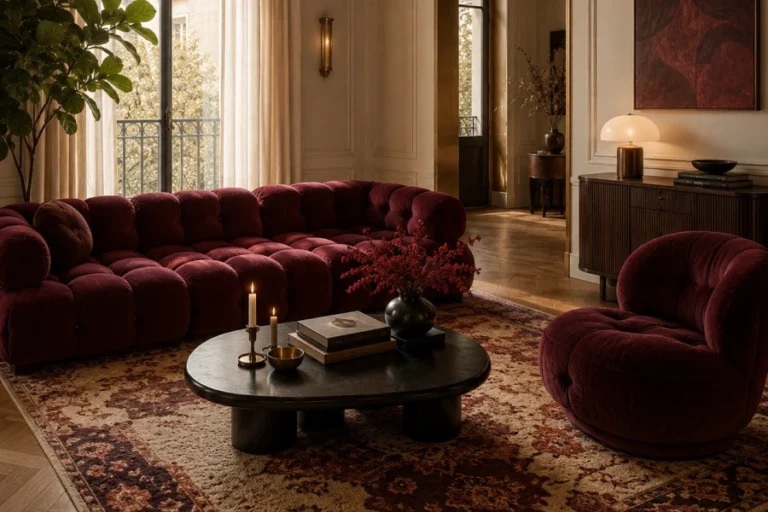
A rug does far more than cover a cold floor. It defines a zone and pulls scattered pieces together. Without one, furniture can feel like it is floating aimlessly. A well-sized rug creates a visual boundary for the seating area. That boundary makes even a large room feel intimate. Helpful rug placement ideas show how much floor to cover. The rug should relate to the furniture, not just the room. A cohesive grouping instantly looks more designed. Color and pattern then reinforce that sense of order. The floor, quite literally, becomes the foundation of the look.
Getting the Size Right First
Size is the single most common rug mistake. Too small a rug makes everything around it look cheap. As a rule, larger almost always beats smaller. In a living room, the front legs of the sofa should sit on it. Aim to leave a consistent border of floor around the edges. Clear area rug sizing tips take the stress out of measuring. Tape out the dimensions on your floor before buying. This simple test prevents an expensive return later. A dining rug should extend beyond the pulled-out chairs. Get the size right, and the rest becomes easy.
Choosing the Right Rug for Each Space
Every room asks something different from its rug. A bedroom rewards softness underfoot each morning. A hallway demands durability against constant traffic. Kitchens and entryways need washable, forgiving surfaces. Match the rug’s personality to the room’s daily life. A plush pile suits a cozy, low-traffic lounge. A flat weave handles busy family zones with ease. Consider comfort, cleaning, and wear all together. The prettiest rug fails if it cannot survive the space. Practicality and beauty should always travel as partners.
Materials That Match Your Lifestyle
Material shapes how a rug feels, wears, and cleans. Wool stays soft, durable, and naturally stain resistant. Cotton feels casual and washes with little fuss. Synthetic fibers survive spills, pets, and heavy use. Natural jute adds earthy texture but can feel rough. Silk looks luxurious yet demands careful, gentle handling. Think honestly about your household before you commit. A home with children needs forgiving, washable options. A quiet study can afford something more delicate. The right material makes daily life easier, not harder.
How Choosing the Right Rug Shapes Color and Pattern
Color and pattern give a rug its voice. A bold rug can become the star of the room. A subtle one lets other pieces take the spotlight. Decide which role you want before you shop. Busy patterns hide stains and everyday wear beautifully. Solid tones feel calm but show every crumb. Pull one rug color into your cushions or curtains. Thoughtful living room rug pairing ties the whole scheme together. Repetition of color creates instant harmony. Let the rug lead, and the room follows.
Placement Tricks Behind Choosing the Right Rug
Placement is where good rugs become great ones. Center the rug on the room’s natural focal point. In seating areas, keep the arrangement balanced and even. Layering a small rug over a large one adds depth. Angle a rug slightly to soften a boxy room. Use runners to lead the eye down long hallways. Keep rugs flat with a quality non-slip pad. A pad also protects both the rug and your floor. Small adjustments make a big visual difference. Careful placement is the final, rewarding step.