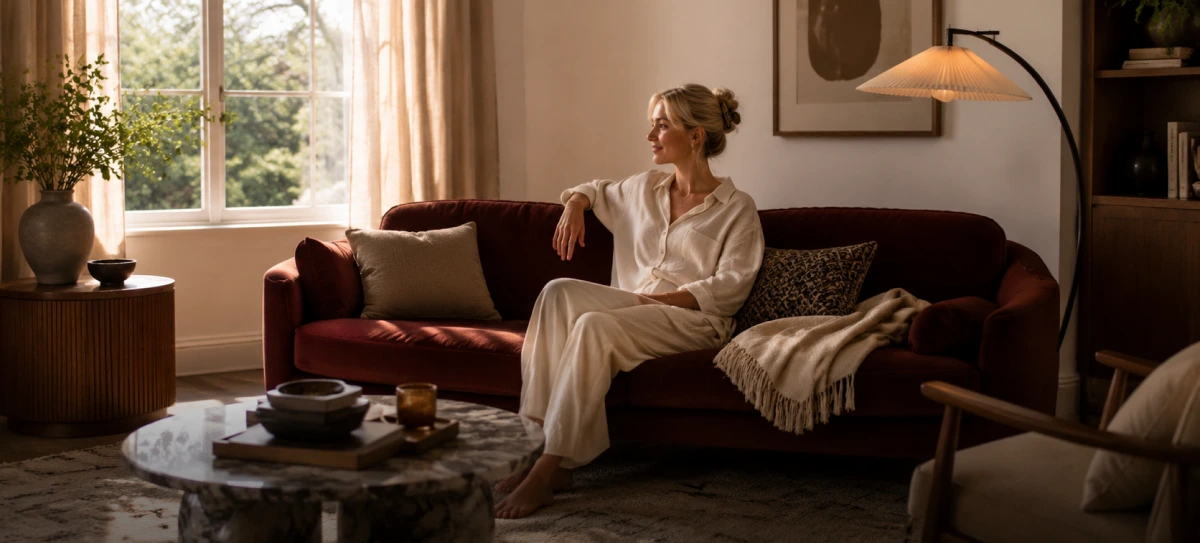
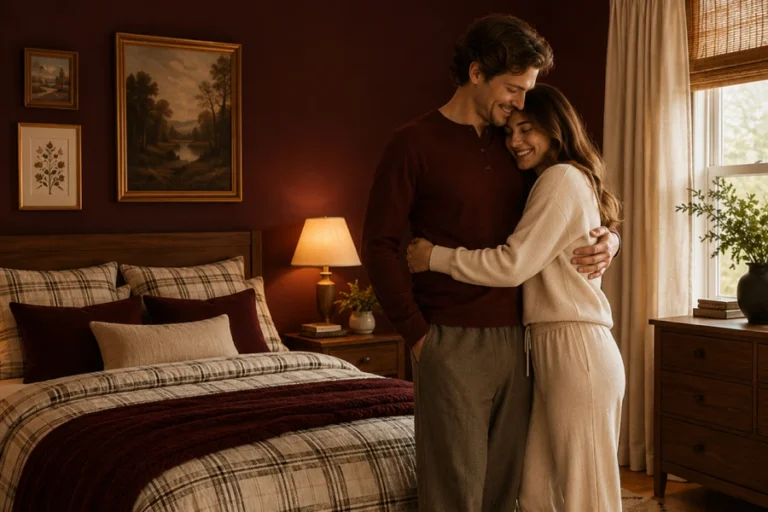
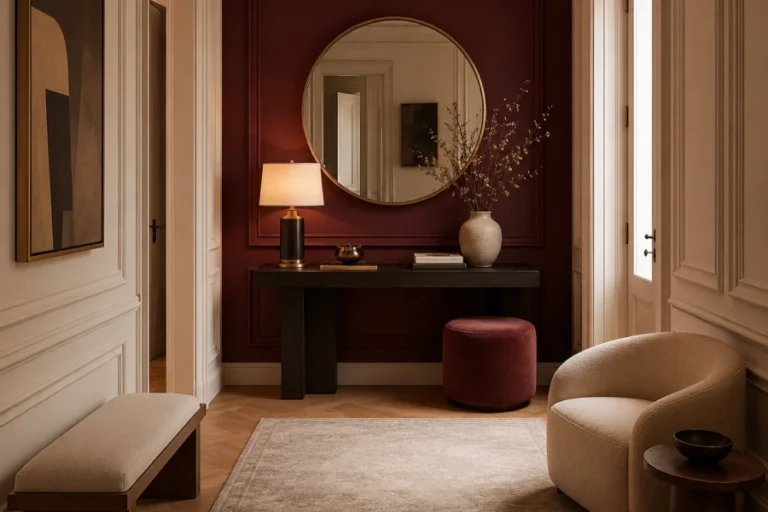
A room can be perfectly arranged yet still feel cold. Often the missing ingredient is soft, layered fabric. Textile layering is the secret behind rooms that feel warm. It adds depth, comfort, and quiet visual richness. Fabrics soften hard edges and absorb harsh sound. They also invite touch, which makes a space welcoming. This article explains how to layer textiles with confidence. You will learn about base layers, pattern mixing, and color play. Each step builds warmth without creating clutter. By the end, your rooms will feel finished and inviting.
Why Textile Layering Transforms a Room
Hard surfaces alone make a room feel unfinished. Wood, glass, and metal need softening to feel homey. Fabric introduces warmth that other materials cannot. Layers create shadow, movement, and gentle depth. A bare sofa feels far less inviting than a dressed one. Thoughtful layering throw pillows instantly changes the mood. Sound softens as fabrics absorb echoes. The room begins to feel lived in and loved. Comfort and beauty arrive in the same gesture. Soft layers are what make a house feel like home.
Starting With a Base Layer
Every good layering scheme needs a foundation. The base is usually a rug or large upholstery. Choose a calm, neutral base to build upon. This layer sets the scale for everything above it. A large rug grounds the whole seating area. Neutral bases give bolder layers room to shine. Natural fibers add subtle texture from the start. Avoid loud patterns at this foundational stage. Save the drama for smaller, changeable pieces. A steady base makes later choices feel easy.
Textile Layering for Depth and Warmth
Depth comes from stacking varied weights of fabric. Pair a heavy knit with a smooth cotton throw. Combine a flat weave rug with a plush sheepskin. Contrast in weight creates instant visual interest. Warmth grows as each layer builds on the last. Drape a blanket loosely over a chair arm. Add cushions in different sizes and fills. Let some textures feel rough against smooth ones. This interplay keeps the eye happily engaged. Layered warmth turns a plain room cozy.
Mixing Patterns Without the Chaos
Pattern mixing frightens many people needlessly. The trick is varying scale, not avoiding pattern. Combine one large print with a smaller one. Add a tiny geometric or a simple stripe. Keep all patterns within one color family. Shared colors let different prints coexist peacefully. Helpful pattern mixing tips make the process feel safe. Anchor busy prints with plenty of solids. Odd numbers of patterns tend to feel balanced. Confidence, not caution, creates a collected look.
How Textile Layering Plays With Color
Fabric is the easiest way to add color safely. Unlike paint, textiles change in a single afternoon. Start from one shade in your existing scheme. Build a family of tones around that anchor. Warm warm textile pairings make a space feel instantly cozy. Repeat each color at least twice for balance. Spread color around the room, not in one corner. A pop of contrast keeps the palette from feeling dull. Neutrals let those accent colors breathe. Color through fabric is flexible, forgiving, and fun.
Seasonal Swaps Through Textile Layering
Fabrics let a room change with the seasons. Heavy wool and velvet suit the colder months. Light linen and cotton refresh a room for summer. Swapping textiles costs far less than new furniture. Store off-season pieces in labeled, breathable bins. Warm tones cozy up autumn and winter evenings. Cool, airy shades lighten spring and summer days. This simple ritual keeps a home feeling current. A few swaps refresh the mood in minutes. Seasonal fabric is decorating’s easiest reset.