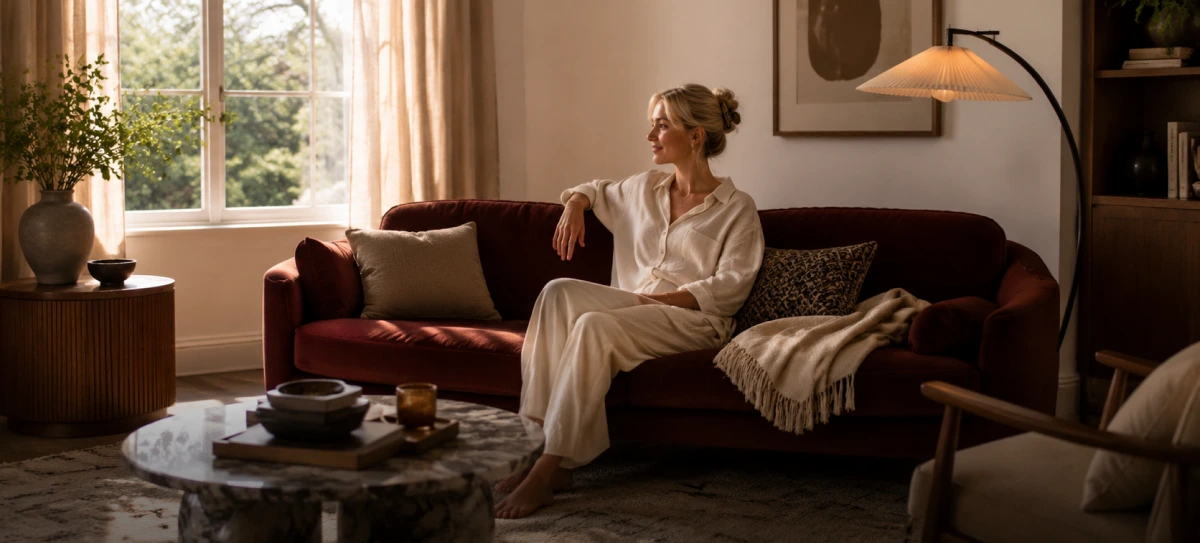
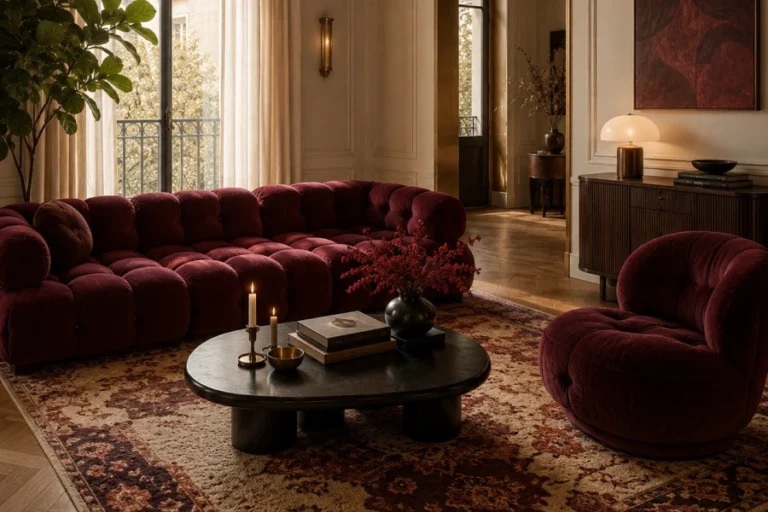
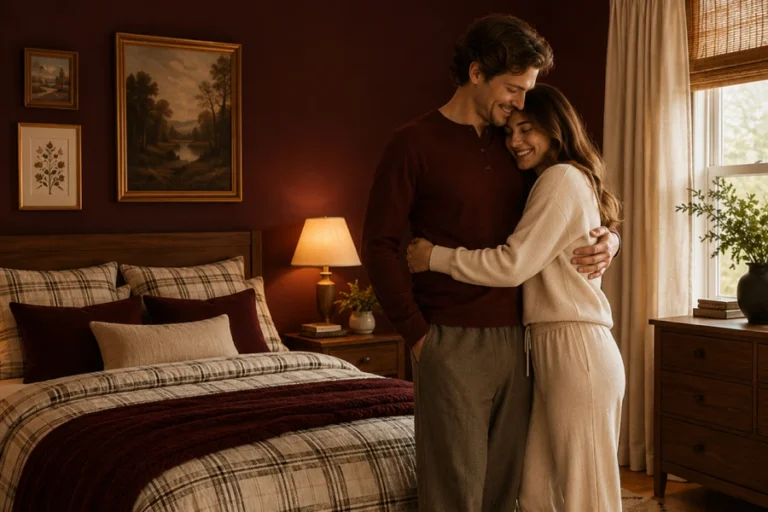
The living room works harder than any other space in the house. It hosts guests, holds family evenings, and quietly reflects your taste. Living room styling is the craft of making that room feel intentional. It goes beyond buying furniture and pushing it against the walls. Good styling considers flow, light, texture, and the way people gather. Small, thoughtful choices can transform a plain space into a warm one. This article breaks the process into clear, approachable stages. You will learn how to work with focal points, lighting, and finishing details. Each idea builds toward a room that feels both polished and livable. By the end, styling your space will feel far less mysterious.
What Living Room Styling Really Means
Styling is often confused with simple decorating. The two overlap, yet they are not the same thing. Decorating fills a room, while styling gives it purpose and rhythm. A styled space guides your eye naturally from one area to the next. It balances comfort with visual interest in every corner. Nothing feels random once the work is done well. Consider how cozy living room decor can anchor the mood you want. Every cushion, lamp, and frame plays a small supporting role. Together they create a space that feels considered rather than cluttered. That sense of intention is what separates a house from a home.
Starting With the Bones of the Space
Before any accessories, study the room’s basic structure. Notice where the light falls throughout the day. Windows, doorways, and traffic paths shape every later choice. Large furniture should support how people move through the space. Reliable living room layout tips help you place big pieces with confidence. Leave breathing room so the space never feels crammed. A sofa pushed against every wall rarely feels inviting. Pulling pieces inward often creates a warmer conversation area. Good bones make the decorative layer far easier. Start here, and everything else falls into place.
Living Room Styling Around a Focal Point
Every well-designed room needs a clear focal point. It might be a fireplace, a window view, or a bold piece of art. The anchor gives the eye somewhere to rest first. Arrange seating so it gently faces this point. Avoid creating two competing centers of attention. A single strong focus feels calmer and more deliberate. Balance the surrounding pieces so nothing overwhelms the star. Scale matters, since an undersized anchor gets lost. Let the focal point set the tone for color and texture. When the room has a heart, the rest simply supports it.
Layering Light for Mood and Function
Lighting shapes mood more than almost any other element. One overhead fixture rarely flatters a living space. Aim for three layers: ambient, task, and accent light. Ambient light fills the room with a gentle glow. Task lighting supports reading, games, or close work. Accent lighting highlights art, plants, or architectural details. Warm bulbs feel cozier than cold, clinical ones. Dimmers let a single room shift from bright to intimate. Table and floor lamps add both function and warmth. Layered light turns an ordinary evening into something inviting.
How Living Room Styling Uses Texture and Color
Texture keeps a neutral room from feeling flat. Mix soft, rough, smooth, and woven surfaces for depth. A linen sofa pairs beautifully with a chunky knit throw. Color then sets the emotional temperature of the space. Warm tones invite, while cool tones calm and settle. A shelf filled with varied materials adds instant interest. Simple styling a shelf display ideas make that easy to pull off. Repeat a few colors across the room for unity. Contrast adds energy when used with restraint. Texture and color together make a room feel alive.
The Finishing Touches of Living Room Styling
The final layer is where personality truly shines. Books, plants, and personal objects tell your story. Group small items in odd numbers for a natural look. Vary heights so vignettes feel collected, not staged. A few living plants add life and gentle color. Trays corral remotes and clutter into tidy zones. Fresh flowers lift the whole room in seconds. Rotate accessories seasonally to keep things feeling new. Avoid overfilling every surface with objects. Restraint, in the end, is the most elegant finish.